
Reviewed · RHODES WINE TASTING & VINEYARDS
Honey production &Tasting experience ” Areti Honey “
Honey and bees, in one hour. At Areti Honey in Rhodes, you meet Areti, the producer and agronomist, and you follow the honey-making story from the first steps to the final jar packaging, with a workshop visit and close bee-world time.
I love how hands-on this feels, with the production process shown in person (not just explained). I also love the tasting range of seasonal floral honeys, including thyme and forest styles, plus other types that change through the year. One thing to consider: if you have bee allergies, you should treat this as a serious note and check with the organizers first.
You’ll be back at the meeting point at the end, for a 1 hour 30 minute experience in English, with a small, private group setup.
In This Review
- Key Points You’ll Care About
- Areti Honey on Rhodes: A Workshop Tour That Actually Tastes Like Something
- Meeting at Archipoli and Getting Oriented (Before the Sweet Part)
- Inside the Apiculture Workshop: From Honey Production to Final Jars
- Seeing Beekeeping at Close Range: Bees, Frames, and Real Work
- Honey Tasting on Rhodes: Thyme, Forest, Pine, Heather, and Seasonal Shifts
- Tea, Coffee, and Honey Delicacies: Learning Over a Spoon
- What You Can Buy: Jars, Beeswax, and Honey From the Source
- Price and Value for $68.64: What You’re Really Paying For
- Who Should Book This (and Who Should Skip It)
- Quick Planning Tips Before You Go
- Should You Book Areti Honey in Rhodes?
- FAQ
- Where does the tour start?
- What time does the Honey production & Tasting experience start?
- How long is the experience?
- Is the tour offered in English?
- Is this a private tour?
- What will I see during the workshop visit?
- Will I get to taste honey?
- Is tea or coffee included?
- Are service animals allowed?
- Is there free cancellation?
Key Points You’ll Care About
- Meet Areti directly and learn the process from a producer who carries on a family beekeeping legacy
- Tour the apiculture workshop and see how honey moves from source to final jars
- Taste several floral honey types, which vary by season (thyme, forest, pine, heather, and more)
- Try fresh honey from the honeycombs, so you taste it at its most direct
- Pair honey with tea or coffee and learn how beekeeping fits Rhodes life
Raise a glass: more Rhodian wine tastings and vineyards
- Rhodes: Sunset Cruise with Live Music, Wine & Greek Buffet★ 4.6 · 236 reviews
- Sunset Cruise with Greek BBQ & Unlimited Aperol Spritz, Beer Wine★ 4.5 · 159 reviews
- Butterfly Valley & Wine, Olive Oil, Honey Tasting Tour (Small Group)★ 4.5 · 114 reviews
- Rhodes Wine & Food Tour: 10 Meal Course Lunch, Wine Tasting, Cooking Class★ 5.0 · 109 reviews
Areti Honey on Rhodes: A Workshop Tour That Actually Tastes Like Something
This is the kind of experience that makes honey stop being just a label. You’re not only tasting it. You’re seeing how it gets made, how it’s handled, and how the beekeeper thinks about the island’s flowers and timing.
At Areti Honey, the focus stays practical: where the honey comes from, what each floral type tends to taste like, and what ends up in your jar. Areti’s family approach also comes through clearly. The goal isn’t speed or volume. It’s care for the ecosystem, and it shows in how the visit is paced.
And yes, you’ll leave with that warm, sweet feeling that comes from learning where something actually comes from. On a Greek island, that matters.
Meeting at Archipoli and Getting Oriented (Before the Sweet Part)
The tour meets at Archipoli 851 06, Greece and starts at 1:00 pm. It ends back at the meeting point, so you’re not stuck figuring out a second handoff or where the group disperses.
Because the start is early afternoon, it works nicely as a mid-day plan if you’re exploring Rhodes by morning. It also helps if you like your food stops later, when you can slow down and enjoy what you learn.
The experience is listed in English, and it’s a private tour/activity, meaning it’s only your group. That’s a real advantage for Q and A, especially when you want to ask about honey differences or how the workshop works.
Practical note: it’s also described as near public transportation, so you’re not locked into a car. If you’re staying in another part of Rhodes, you can usually connect without stress, as long as you plan enough buffer time to get there at 1:00 pm.
Inside the Apiculture Workshop: From Honey Production to Final Jars
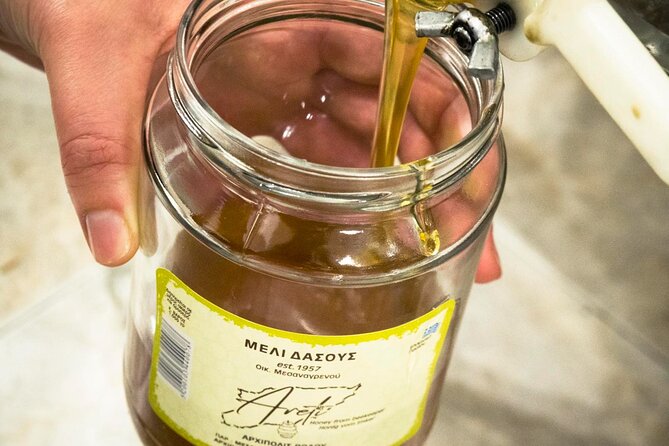
The heart of the experience is the tour inside the apiculture workshop. Areti and her family explain the process from beginning to final packaging. You get to see the steps and understand what’s happening along the way, not just the final product.
Here’s what this kind of workshop visit gives you that a standard honey tasting won’t: context. Honey is one of those foods people buy without thinking much about processing. When you see the workflow, your tasting gets sharper. You start paying attention to what might influence flavor and texture.
You also learn that their beekeeping is framed as a family legacy tied to the island’s ecosystem. That theme isn’t just a sentimental story. It’s useful, because it explains why certain choices get made during harvesting and handling.
If you enjoy watching how food gets made, you’ll like this part. If you mainly came for the honey taste, the workshop still pays off because it helps you connect each flavor to a place on the island and a season’s timing.
Seeing Beekeeping at Close Range: Bees, Frames, and Real Work
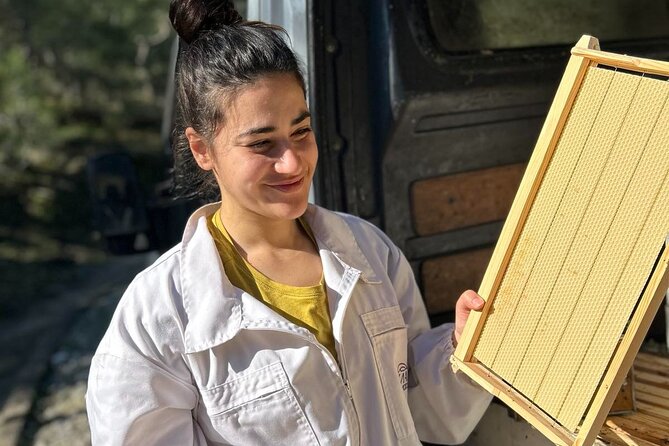
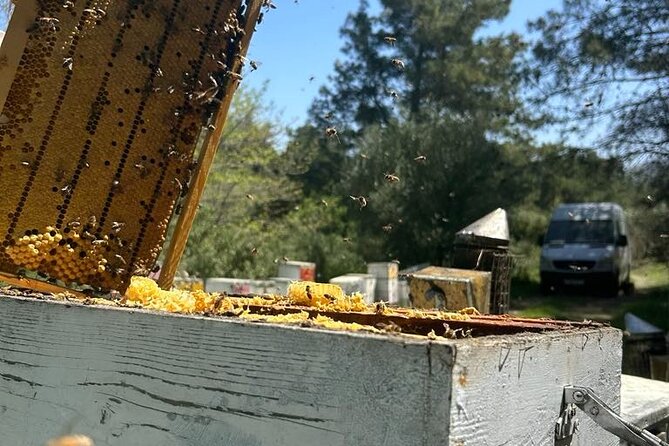
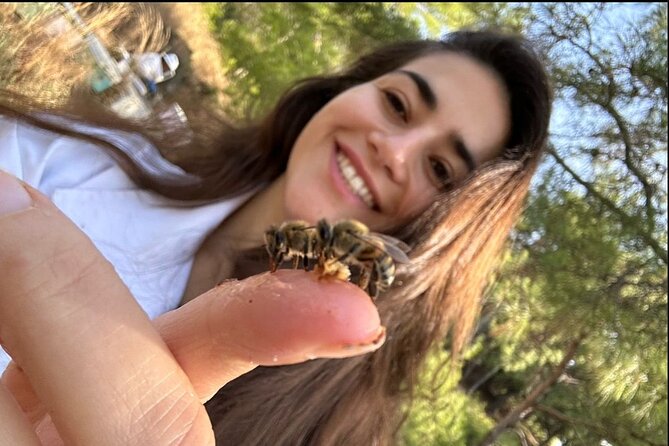
Beyond the workshop, the experience includes time getting to know the world of bees up close and visiting the beehives. That matters because honey is only part of the story; the bees are the engine.
In reviews, the visit to the hives stands out as interesting and informative. You’re not just hovering behind a fence. You’re learning how beekeepers observe and manage their colonies, and you’re getting a clearer sense of the care work behind every jar.
One helpful way to think about it: beekeeping is mostly attention. The job is steady and seasonal. When someone like Areti shows you the practical side, you walk away understanding that honey isn’t an accident. It’s the result of consistent work, and it’s shaped by nature’s timing.
The time spent here also explains why the honey variety changes through the year. Rhodes flowers don’t bloom on your schedule. Beekeepers don’t force it either. They follow what’s happening, then they package the season’s best.
More Rhodes plates and glasses to try


Honey Tasting on Rhodes: Thyme, Forest, Pine, Heather, and Seasonal Shifts
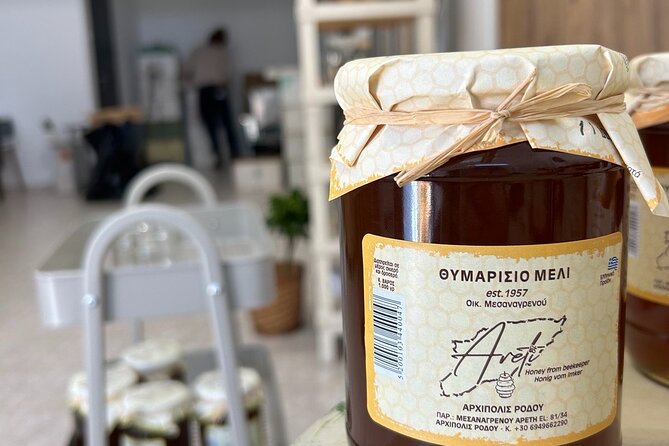
Now for the fun part: the honey tasting. The menu you’re working from includes organic honey plus several floral types such as thyme honey, forest honey, flower honey, pine honey, and heather honey. It also notes that every season offers different kinds.
That seasonal change is a big deal. It means the tasting is a snapshot of what Rhodes is producing right now. If you go at different times of year, you might taste different profiles. Even if you’re a honey expert, you’ll likely notice variation.
From the experience description and real-world details shared in visits, thyme honey is a common highlight. Reviews also reference other varieties such as agave honey in tasting. So expect a mix, and don’t assume every bottle on the table will match the same list year-round.
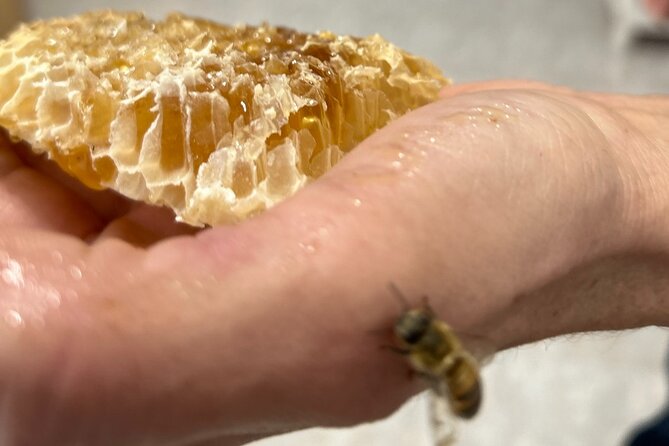
Also, you can try fresh honey direct from the honeycombs. That’s one of those experiences that resets your baseline. Comb honey tastes different from strained honey, and you notice it right away. The texture and the directness are part of the charm.
If you’re the type who likes to compare flavors, this tour gives you a structured way to do it. If you’re not, you still benefit because you’ll figure out which types you like and why.
Tea, Coffee, and Honey Delicacies: Learning Over a Spoon
The visit includes tea or coffee with honey delicacies. This is more than a snack break. It turns the tasting into a conversation, and it’s the moment where you can ask questions without feeling rushed.
You also hear about the history of beekeeping on Rhodes. That’s useful because it places today’s honey in a longer rhythm. Rhodes has always had a relationship with agriculture and the island’s natural resources, and honey is one of the sweetest ways to see that.
This part tends to be relaxed. In reviews, visitors specifically highlight the warm welcome and the friendly vibe with Areti and her family. That tone matters because honey tastings can feel stiff in some places. Here, it’s more like learning from people who actually live this.
If you’re traveling with a food-first mindset, this is one of the best ways to balance learning with enjoyment.
What You Can Buy: Jars, Beeswax, and Honey From the Source
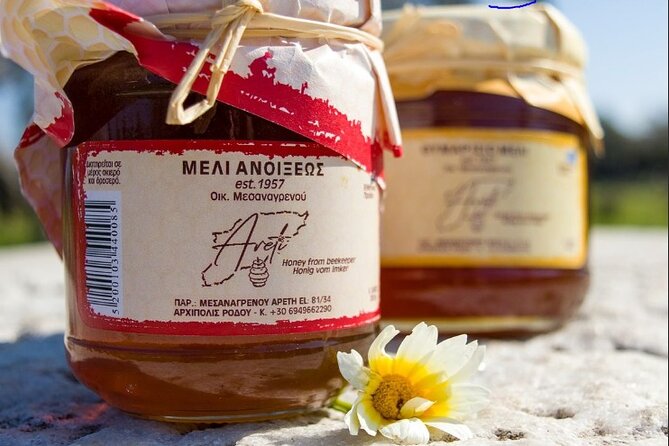
After seeing the production process and tasting several types, you’ll likely want to take something home. Reviews mention purchases like honey, beeswax, and honey in comb form (described as honey from the honeycombs).
This is where value can become very real. When you buy after you understand the process, you’re less likely to regret what you chose. You know what you tasted. You know which floral type you liked. And you can buy more confidently.
Practical tip: if you have a specific honey type you liked most, look for it again at purchase time. Since the menu notes seasonal variation, the exact lineup may shift depending on availability.
Also remember: tasting can make you hungry. Plan a little room in your day so you don’t feel like you’re rushing to catch your next meal right after.
Price and Value for $68.64: What You’re Really Paying For
The price is $68.64 per person for about 1 hour 30 minutes. That may sound high if you’re comparing it to a quick tasting flight. But this isn’t only a tasting room.
What you’re paying for includes:
- a guided, in-person look at honey production (from process to final packaging)
- workshop time and close access to the bees world
- multiple honey types tied to the island’s flora and season
- fresh comb honey tasting
- tea or coffee with honey delicacies
- a private group format in English
That bundle matters. A lot of honey tastings stop at flavor. This one adds process. And process usually makes the price feel more justified, because you walk out with a deeper understanding.
If you’re a couple or traveling with friends, private can make this even better value, because you’re not waiting around for a large group timeline. The format also helps you ask targeted questions, which turns a meal-sized activity into a real learning experience.
Who Should Book This (and Who Should Skip It)
This tour is best for you if you:
- like food experiences that come with context, not just samples
- want to taste multiple floral honeys and compare profiles
- enjoy hands-on workshops and learning how products get made
- want a family-run, Rhodes-focused activity that feels authentic
It may be less ideal if:
- you have bee allergies or sensitive reactions to bee environments. The experience specifically flags bee allergies, so you’ll want to confirm safety details before committing.
It also helps if you’re comfortable moving through a workshop setting. You should expect close-up learning and tasting, not a seated lecture with zero movement.
Quick Planning Tips Before You Go
A few small things can make your visit smoother:
- Go hungry enough to enjoy the honey delicacies, but not so hungry you feel rushed during tasting.
- If you’re sensitive to allergies, speak up early. The experience notes bee allergies for a reason.
- Bring a simple list in your head of the honey types you want to try again at purchase time, since seasonal offerings can vary.
And keep your expectations grounded: it’s a sweet, hands-on workshop tour. It won’t replace an all-day museum experience. It will, however, give you something you can taste and remember.
Should You Book Areti Honey in Rhodes?
Yes, I think you should book it if you want a genuine Rhodes food experience built around real craft. The standout strength here is the mix of production tour + close bee-world access + seasonal honey tasting, all guided by Areti and her family. That combination is hard to find in a short, well-priced window.
If allergies are part of your travel reality, don’t ignore that flag. Check the details first, then decide. Otherwise, this is a strong choice for anyone who likes learning through tasting, not just browsing souvenir shelves.
FAQ
Where does the tour start?
It starts at Archipoli 851 06, Greece.
What time does the Honey production & Tasting experience start?
The start time is 1:00 pm.
How long is the experience?
It lasts about 1 hour 30 minutes.
Is the tour offered in English?
Yes, it’s offered in English.
Is this a private tour?
Yes. It’s a private tour/activity, so only your group participates.
What will I see during the workshop visit?
You’ll tour the apiculture workshop and learn the honey production process, from beginning to final packaging in jars.
Will I get to taste honey?
Yes. You can taste honey from various floral sources, and you can also taste fresh honey direct from the honeycombs.
Is tea or coffee included?
Yes. The experience includes tea or coffee with honey delicacies.
Are service animals allowed?
Yes, service animals are allowed.
Is there free cancellation?
Yes. You can cancel for a full refund up to 24 hours in advance of the experience’s start time.
More Rhodes Food and Drink


More Rhodes Tours to Browse





More Rhodian Wine to Taste


Not quite this one? A few more Rhodes trips we have written up






Rhodes Wine Tasting & Vineyards, compared.
 ★ 4.8Sunset Cruise with Unlimited Aperol, Beer, and WineFrom $53323 reviews
 ★ 4.6Sunset Cruise with Live Music, Wine & Greek BuffetFrom $53236 reviews
 ★ 5.0Private Wine Tasting Experience for BeginnersFrom $39199 reviews
 ★ 4.8Bay to Bay Swim Cruise with Greek Buffet and WineFrom $69187 reviews
 ★ 5.0Rhodes Bay to Bay Swim Cruise-Greek Buffet w/wine includedFrom $71162 reviews
 ★ 4.5Sunset Cruise with Greek BBQ & Unlimited Aperol Spritz, Beer WineFrom $48159 reviews
 ★ 4.5Butterfly Valley & Wine, Olive Oil, Honey Tasting Tour (Small Group)From $79114 reviews
 ★ 5.0Rhodes Wine & Food Tour: 10 Meal Course Lunch, Wine Tasting, Cooking ClassFrom $156109 reviews
Browse the lists this tour appears in